How We Work
Garden House follows a therapeutic care model, grounded in attachment theory and the PACE (Playfulness, Acceptance, Curiosity, and Empathy) framework. The aim is to help children heal from developmental trauma by fostering meaningful, trusting relationships. The care environment is designed to offer stability and a sense of safety, enabling children to feel seen, valued, and supported in reaching their potential. The therapeutic approach incorporates principles of trauma-informed practice and includes training for staff in Dyadic Developmental Psychotherapy (DDP) and RiiSE, which emphasises proactive, non-restrictive, relationship-based care strategies.


Care Model
Therapeutic Approach: Our care model is rooted in attachment theory and incorporates the PACE framework (Playfulness, Acceptance, Curiosity, Empathy). This approach supports children in recovering from developmental trauma by fostering trusting and meaningful relationships.
Trauma-Informed Practices: Team members are trained in Dyadic Developmental Psychotherapy (DDP) and trauma-responsive strategies to provide children with consistent, nurturing care tailored to their individual needs.

RiiSE
Relationship-Focused Approach: RiiSE is a trauma-informed behaviour support programme that focuses on proactive, non-restrictive, and relationship-based care. It is designed to create a culture of safety, trust, and support.
Staff Development: All team members are trained in RiiSE to equip them with the skills to de-escalate challenging situations, sustain positive relationships, and foster emotional healing. The programme incorporates evidence-based methods from leading theorists in trauma and attachment, ensuring high-quality care.
Communication
Child-Centred Communication: Children are encouraged to share their feelings and opinions through regular one-to-one keywork sessions, twice-weekly community meetings, and informal daily interactions.
Promoting Understanding: Our team members use curiosity and empathy to help children explore their emotions and behaviours in a safe and supportive way, reducing shame and fostering self-reflection.
Inclusion in Decision-Making: Children are actively involved in decisions affecting their lives, from daily routines to long-term care plans, ensuring their voices are heard and valued.

Activities
Tailored Experiences: A wide range of recreational, educational, and cultural activities are planned based on children’s interests and needs. These include sports, arts, outdoor adventures, and trips to encourage social, creative, and physical development.
Community Engagement: Children are supported to join local clubs and organisations, such as Scouts, dance classes, and sports teams, to build confidence and a sense of belonging.
Therapeutic Play and Exploration: Activities are carefully designed to help children take safe risks, build resilience, and develop trust in adults through shared enjoyable experiences.

Therapeutic Hub
The Hub team could be likened to Fair Ways secret sauce. This is a team of professionals across multiple disciplines, directly employed by Fair Ways, who support both our team members and individuals, providing and accessing trauma-informed care.
Our multidisciplinary team of experienced clinicians offer a wide variety of specialist assessments and interventions. They work to offer the services that those in our care deserve, supporting our amazing frontline staff in their incredible work, building safety and meeting children and young people’s physical needs.

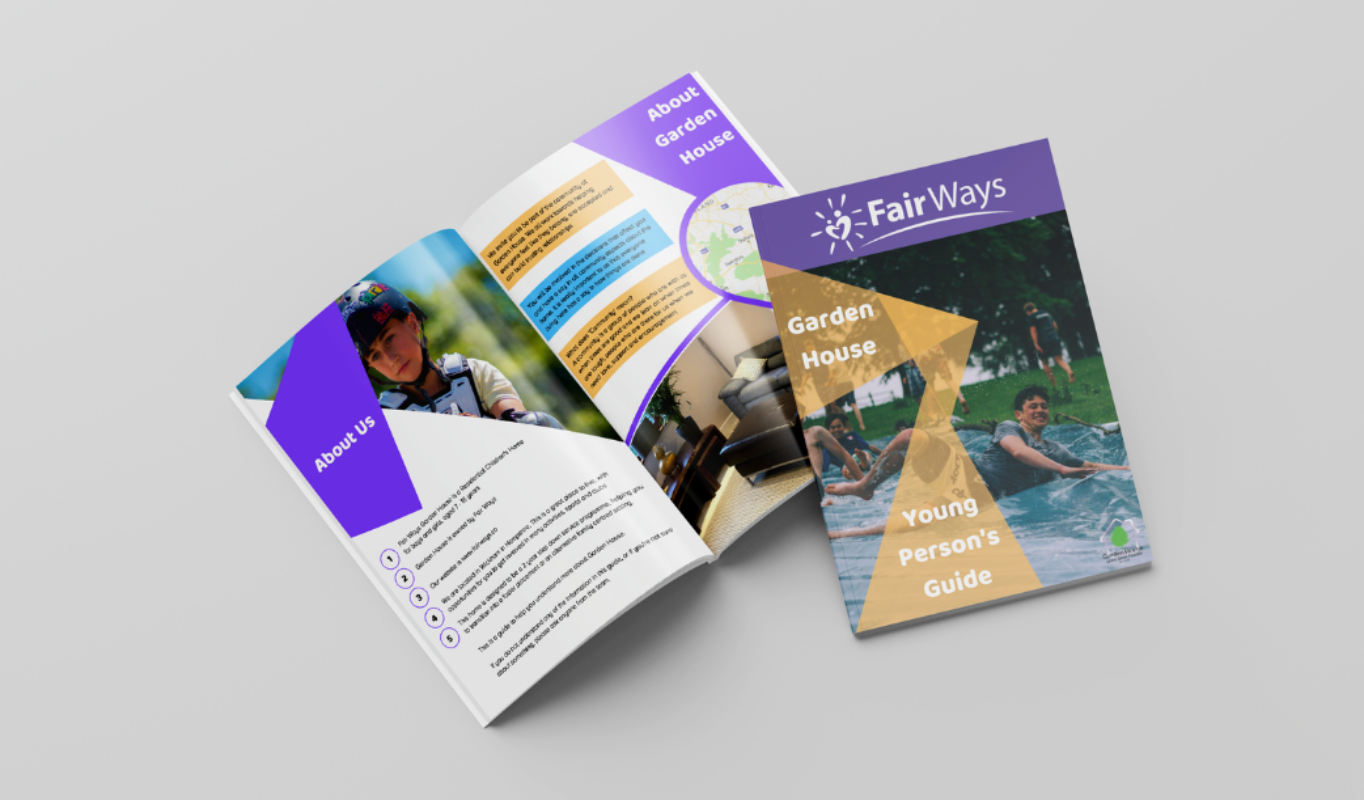
Children's Guide
Every one of our homes has a children's guide for our young people, so they know what it is like living with us
We also have a younger children's guide, available on request
Statement of Purpose
To find out more about Garden House, please read our Statement of Purpose
Learn more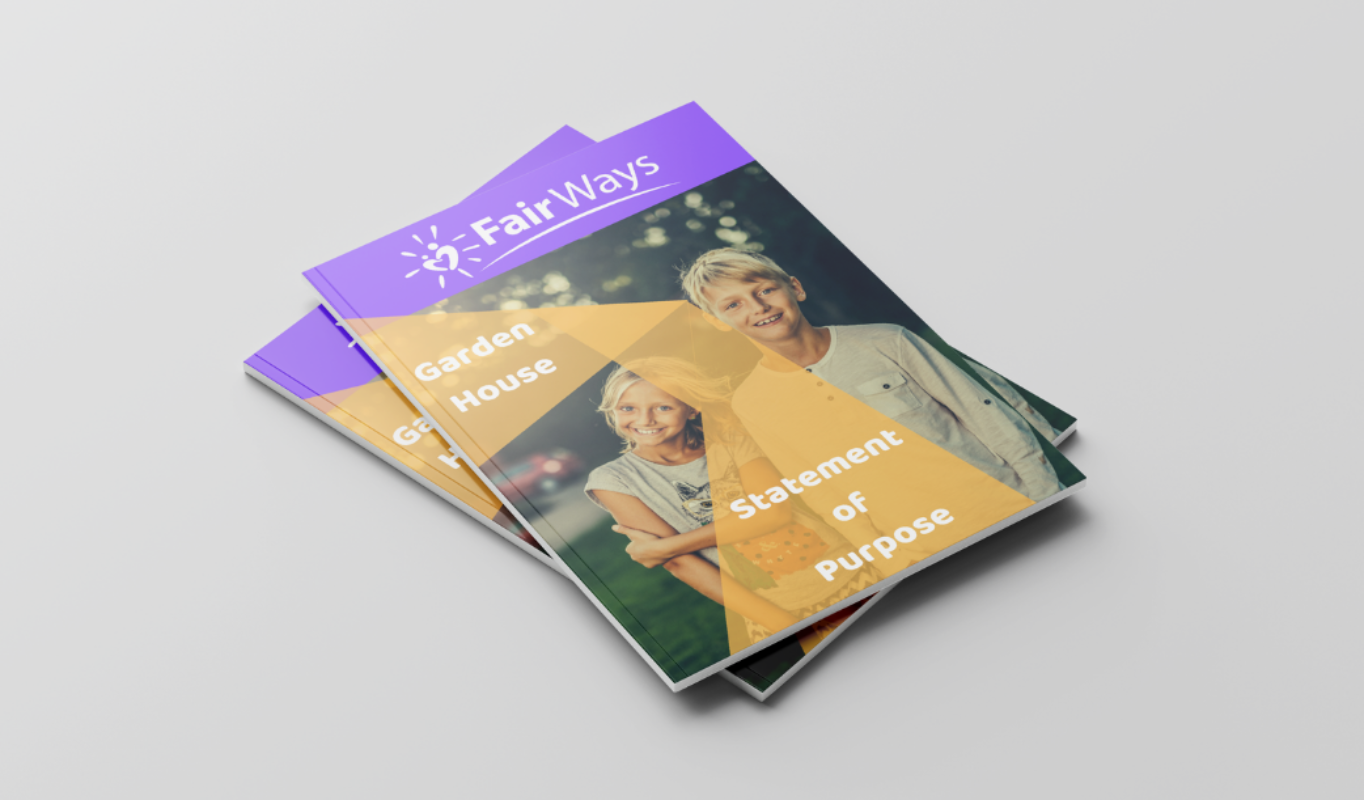
Activities
Garden House offers a wide range of activities on and off-site. Staff plan recreational activities with children as part of daily living. Weekly community meetings allow children to discuss their preferences and feed them into a weekly plan of activities. Activities need to be carefully planned to balance realistic activities and leisure pursuits in line with those a child would normally receive in a family or foster care environment.
Been on surfing holiday in Cornwall
Activity adventure holiday in Devon
Achieved Level 1 Kayaking Award
Achieved Bike Ability Award
Forest Schooling and Environmental Education Sessions
Swimming Clubs
Football Clubs
Horse Riding Clubs
Outdoor shared activities such as walking in the woods and bike rides
Playing in the local streams
Thorpe Park, Fishers Farm, Lego Land
Go Ape
Quad Biking
Splashdown and New Forest Aqua Park